

- Home
- Commercial Project Types
- K-12 School Roofing in Las Cruces, NM
Commercial Project Types
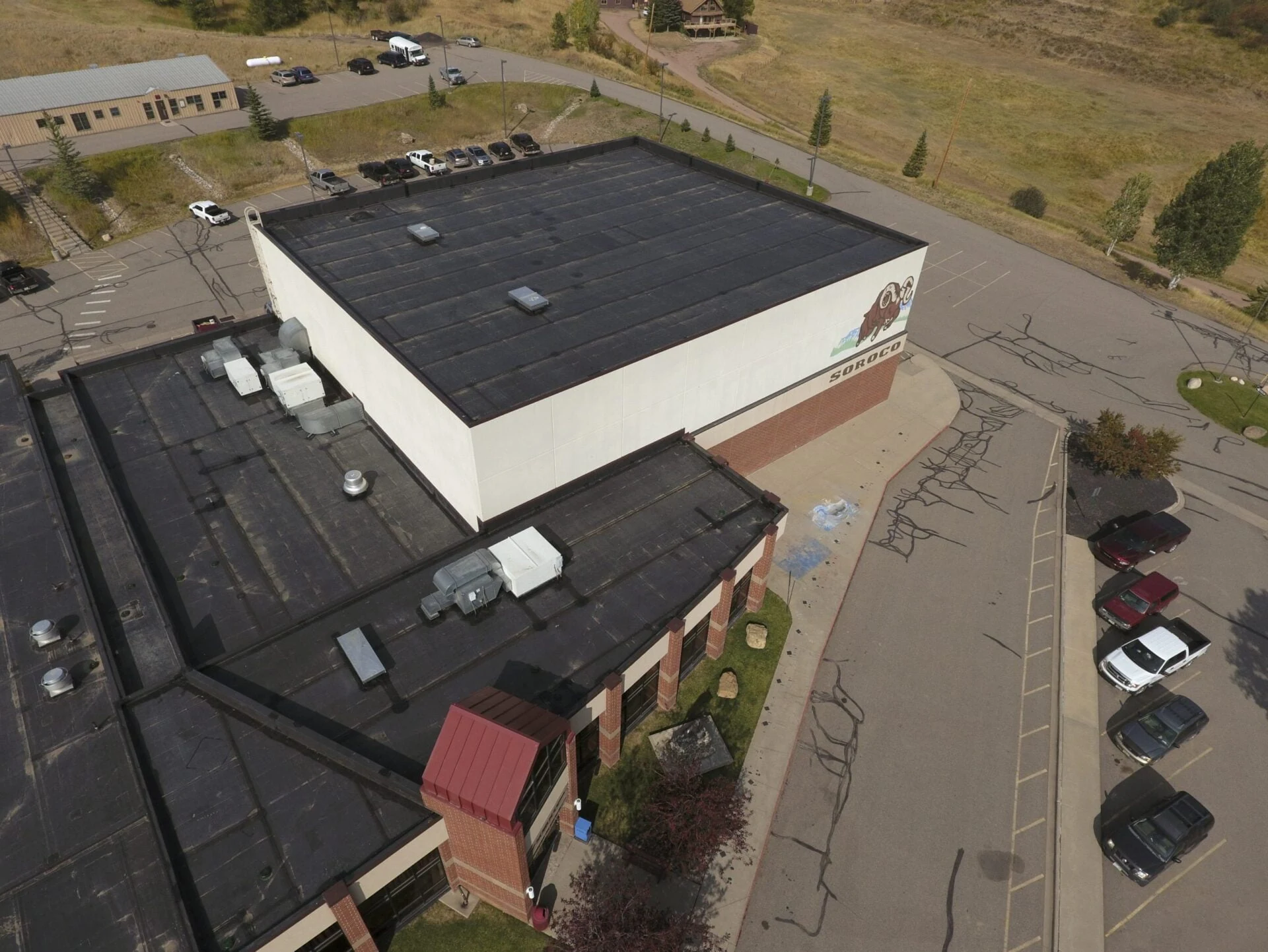
K-12 School Roofing in Las Cruces, NM
Fitting a Reroof Into an Eight-Week Summer Window
School facilities managers here work with one of the tightest, least forgiving timelines in commercial roofing anywhere in this entire region: summer break, and absolutely nothing else on the calendar to work with. Between the end of the school year and the start of the next one, there's usually somewhere between six and nine weeks to get a roof project fully done and closed out, and monsoon season lands right in the middle of that window most years without fail.
The Monsoon Collision With Summer Break
Local school calendars typically run summer break from late May into early August, and that stretch overlaps almost exactly with the July-through-September monsoon pattern that reliably brings sudden, heavy downpours to this part of the state every single year. A tear-off that gets caught without dry-in before an afternoon storm rolls in can flood a classroom or gym floor in under an hour, turning what should have been a routine work day into an emergency mitigation call nobody on either side wanted.
We build monsoon contingency into every single school schedule we write - staged tear-off limited strictly to what we can fully dry-in the same day, extra tarping kept on standby, and daily weather monitoring during any active phase of the work. Losing a classroom ceiling to a storm two weeks before students return isn't a risk we're willing to take on a compressed calendar.
Gymnasium and Cafeteria Roof Spans
School gyms and cafeterias typically have longer clear-span roof structures than classroom wings, which means different deflection characteristics and drainage patterns. These larger open spans often carry more rooftop mechanical equipment too, since gyms and cafeterias need higher-capacity HVAC than a standard classroom.
We inspect gym and cafeteria roof sections separately from classroom wings during assessments, since they age differently and often need different repair priorities even on the same campus.
Kitchen exhaust systems in the cafeteria building add their own inspection category. Grease-laden exhaust from lunch service accelerates membrane wear around those specific curbs faster than anywhere else on campus, and a curb that was fine at last year's walk-through can show real degradation by the time school lets out for summer.
- Elementary school classroom wings and administrative buildings
- Middle and high school gymnasiums and multipurpose spaces
- Cafeteria and kitchen buildings with grease exhaust penetrations
- Portable and modular classroom roof transitions
- Bus barn and maintenance facility roofs
- Auditorium and performing arts building roofs
Site Safety Around Students and Staff
Even with work concentrated in summer, some districts run summer school, athletics camps, or facilities staff working on campus during the break. We fence and mark active work zones clearly, keep equipment and material staging away from any occupied portion of campus, and coordinate daily with the site facilities lead on what parts of the building are in use that week.
Fall sports practices sometimes start before the academic year does, which means a gym roof or field house project needs to account for athletic staff and student access even during what looks like a quiet summer week on the calendar.
We also coordinate with district transportation staff when a project touches the bus barn or a maintenance yard, since those facilities often run a modified summer schedule to service the fleet ahead of the first day back, and equipment access there can't be blocked without advance notice to the transportation supervisor.
Portable classroom roof-to-wall transitions get a closer look during our assessment than districts sometimes expect. These units get moved, reconnected, and re-flashed at the connection point over the years, and that transition is where we find more active leaks on a modular campus than on the roof of the portable unit itself.
Budget Cycles and Bond Funding
School roof projects often get funded through district capital improvement plans or bond measures, which means the scope and budget get locked in months before summer break actually starts. We provide detailed assessments early in the spring semester so districts have accurate numbers heading into whatever approval process their capital plan requires.
We also flag roof sections that can be phased across multiple summers when a full-campus reroof exceeds a single year's allocated budget, prioritizing whichever sections show the most active leak risk first.
Questions We Get From District Facilities Staff
Can a full campus reroof really happen in one summer?
It depends on square footage and roof condition, but for most single-campus projects, yes - we plan crew size and sequencing specifically to hit a hard finish date before students return.
What happens if a storm hits during an open tear-off?
We limit daily tear-off to what we can fully dry-in before end of shift during monsoon season, and we keep tarping and emergency crews ready in case a storm moves in faster than forecast.
Do you work around summer school or athletics programs on campus?
Yes. We coordinate weekly with the site facilities lead to keep work zones clear of any part of campus still in active use.
Can a project be phased across multiple summers?
Yes, and we recommend it when full-campus scope doesn't fit a single year's bond or capital allocation - we prioritize the highest-risk sections first.
How early should we get an assessment before summer?
Spring semester, ideally by March, gives your district time to build accurate numbers into whatever budget or bond approval process needs to happen before break starts.