
- Home
- Commercial Project Types
- Warehouse Roofing in Las Cruces, NM
Commercial Project Types
Warehouse Roofing in Las Cruces, NM
Large-Format Roofs Over Border-Logistics Warehouse Space
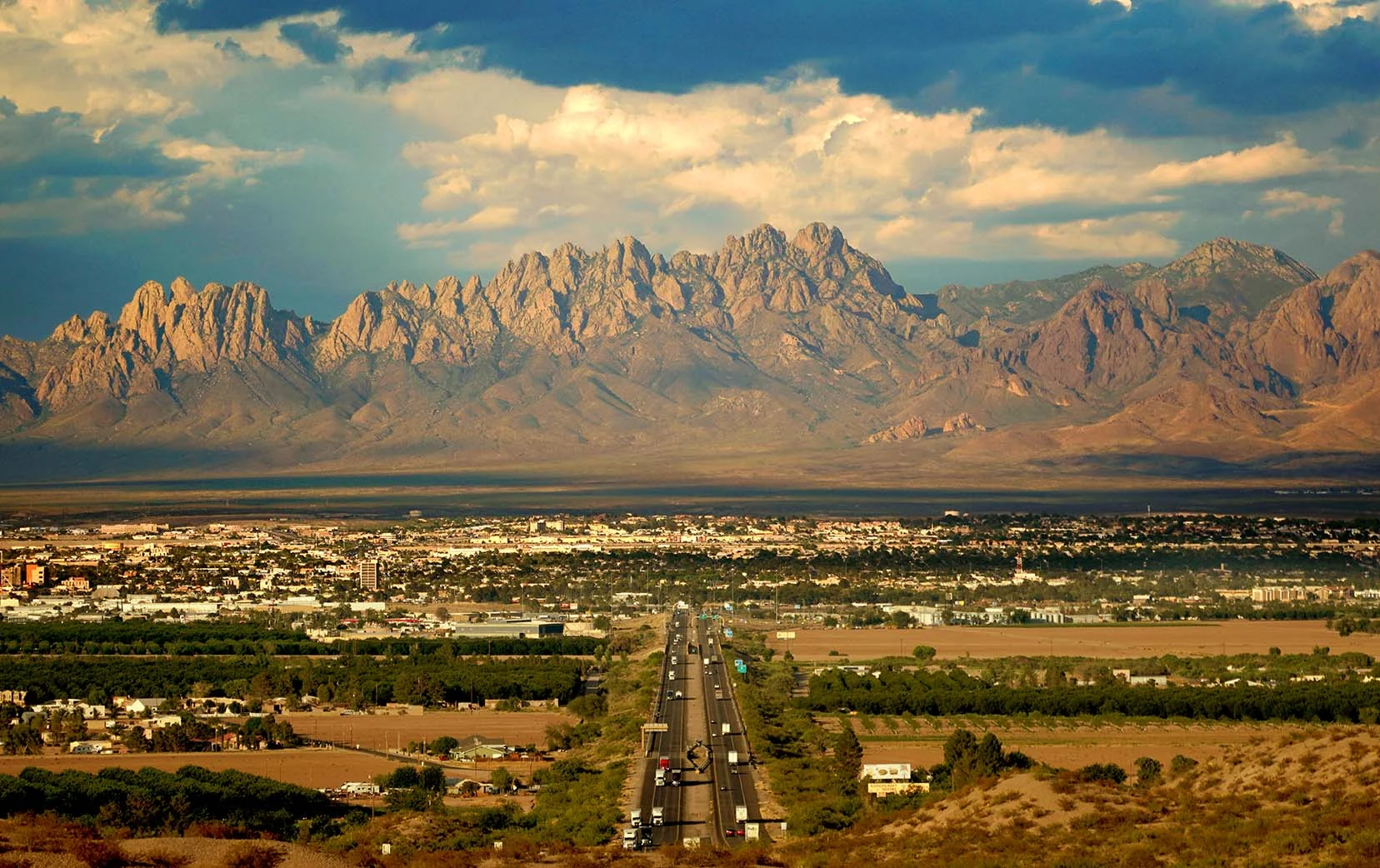
Warehouse space along the I-10 corridor and out toward Santa Teresa keeps expanding as freight moving through the port of entry needs somewhere to stage. These buildings run big, flat roofs with drainage systems doing most of the work, and a design flaw in that drainage shows up as ponding within a year or two, not a decade.
The Scale Problem With Big Roofs
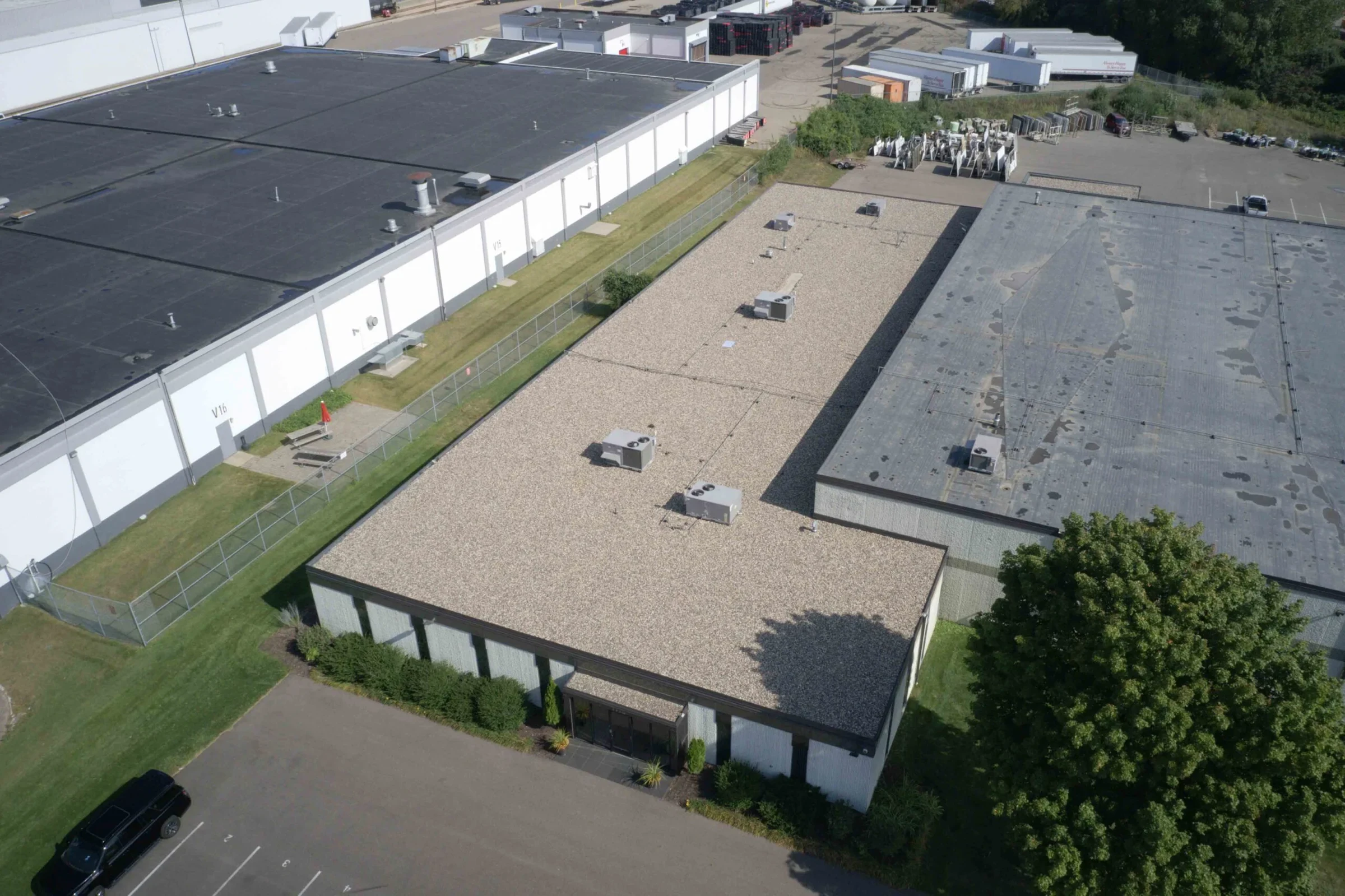
A 200,000-square-foot warehouse roof behaves differently than a strip retail roof scaled up. Roof drain spacing, structural deflection between purlins, and membrane seam count all interact at that scale in ways that a small building never tests. We walk the whole roof with a moisture meter on any warehouse over about an acre, because a single leak on a roof that size can travel a long way from the actual failure point before it shows up as a ceiling stain.
Racking and inventory below add another variable. A leak over empty floor space is an inconvenience; a leak over palletized inventory or electronics can be a real loss. We map roof drains against the warehouse floor plan when we can, so priority areas get inspected first.
Structural deflection also compounds over a large clear span in ways it doesn't on a smaller building. A roof deck that sags an inch at midspan on a 40-foot bay might be within tolerance, but the same deflection over a 60-foot clear span creates a low point that collects water every single storm. We check deflection patterns against the original structural drawings when they're available, rather than assuming uniform slope across the whole field.
Ponding Water on Low-Slope Warehouse Decks
Standing water after a monsoon downpour is one of the most common calls we get on warehouse roofs in this market. Structural deflection, undersized drains, or drains that were never tapered correctly during original construction all cause the same symptom - water sitting for 48 hours or more instead of draining within the industry-standard window.
Tapered insulation crickets solve most ponding issues without a full reroof, redirecting water toward existing drains instead of letting it collect at a low point on the deck. We evaluate ponding areas with a rain gauge check after storms before recommending a fix, since guessing at drainage slope from a dry-day inspection misses the real problem.
- Cross-dock and bulk storage warehouses
- Cold-chain and refrigerated logistics buildings
- Third-party logistics (3PL) fulfillment centers
- Freight forwarding and customs bonded warehouses
- Trailer maintenance and yard support buildings
- Manufacturing-adjacent parts and materials warehouses
Membrane and Fastening for Wind Exposure
Open desert terrain around Santa Teresa and West Mesa means less wind-blocking than a warehouse tucked into a denser urban district, and wind uplift ratings matter more here than the spec sheet number suggests on paper. We size fastening patterns to the actual exposure category of the site rather than defaulting to a standard pattern that assumes more shelter than the building actually has.
TPO remains our default for large warehouse roofs in this market because it balances installed cost, UV performance, and seam reliability at that kind of scale, and it's the system we see performing most consistently across similar buildings in this valley over a full ten-year stretch. For buildings running heavier rooftop mechanical loads, we sometimes step up to a thicker 80-mil membrane in walk paths and around equipment curbs to resist foot traffic wear.
Working Around Active Warehouse Operations
Most warehouses don't shut down for a reroof - forklifts, dock doors, and shipping schedules keep running underneath. We coordinate material staging and crane picks around dock door traffic and shift schedules, and we protect open floor areas below active tear-off sections with tarping in case of an unexpected shower during monsoon season.
Noise restrictions are usually lighter here than at an office or medical building, but coordination with dock schedulers still matters - a crane blocking a dock door during a scheduled truck arrival creates a cost that has nothing to do with roofing.
We also plan around seasonal inventory swings where we can get visibility into them. A warehouse running peak volume ahead of a retail season has less tolerance for any roof access disruption than the same building during a slower stretch, and we'll shift a project's timeline toward the lower-volume window whenever the client's operations calendar allows it.
Warehouse Roofing Questions We Get Most
How long can standing water sit before it's a real problem?
Industry standard calls for drainage within 48 hours of a rain event. Water sitting longer than that starts accelerating membrane degradation and adding structural load the roof deck wasn't designed to carry long-term.
Can you fix ponding without a full reroof?
Often yes. Tapered insulation crickets redirect water to existing drains and can resolve most ponding without replacing the whole membrane.
Do you work around active shipping and receiving?
Yes, that's the normal case. We schedule crane picks and material staging around dock door traffic rather than asking a warehouse to pause operations.
What membrane do you recommend for a large logistics building?
TPO in 60 or 80 mil, mechanically fastened, is our default for large-format warehouse roofs in this market based on cost, UV resistance, and seam performance.
How often should a warehouse roof this size get inspected?
Twice a year at minimum - once before monsoon season to check drainage and once after to catch any storm damage before it becomes a bigger leak.