- Home
- Commercial Project Types
- Food Processing Facility Roofing in Las Cruces, NM
Commercial Project Types
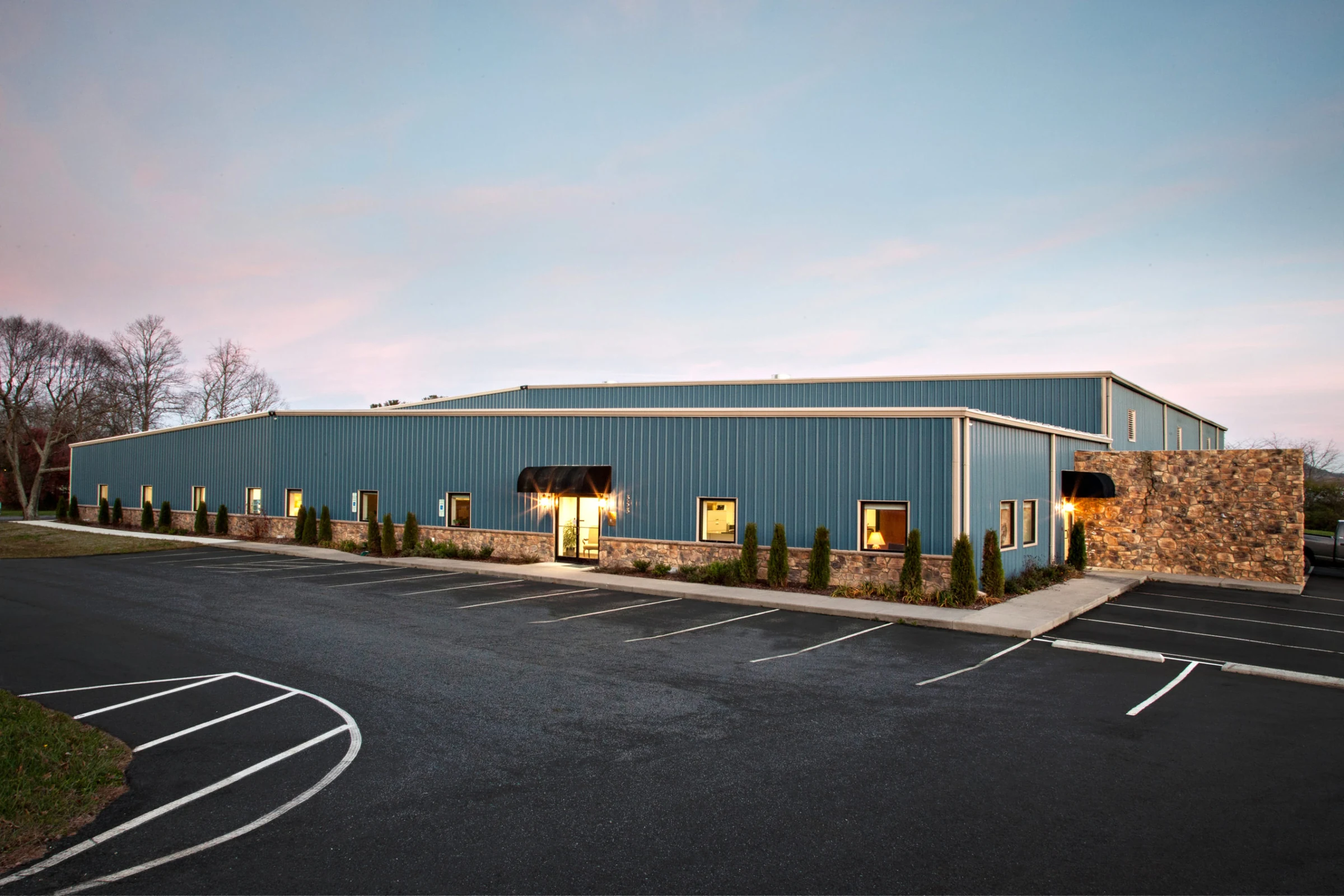
Food Processing Facility Roofing in Las Cruces, NM
Roofs That Hold Up Over Chile and Food Processing Lines
The Mesilla Valley grows and processes a serious volume of green chile and other produce every season, and the plants that roast, pack, and cold-store it run rooftop equipment loads a standard warehouse roof was never built for. We work these facilities differently because the roof here functions as part of the sanitation envelope, on top of its basic weatherproofing job, and treating it as anything less invites problems a standard warehouse roof never has to worry about.
Steam, Grease, and Sanitation Loads on the Deck
Chile roasting equipment, blanching lines, and packing operations all push steam, grease-laden exhaust, and washdown moisture through roof penetrations that a typical office building simply doesn't have anywhere on its roof deck. That exhaust condenses on cooler membrane surfaces and works into seams that weren't detailed for the constant, near-daily moisture cycling this kind of equipment produces, well beyond what an occasional rain shower would ever put on a standard seam.
We flash these penetrations with materials rated for grease and chemical exposure rather than standard field seam tape, and we check curb heights on exhaust fans and roof-mounted washdown drains during every inspection, since undersized curbs are one of the most common causes of grease intrusion under the membrane.
Rooftop washdown practices also matter more here than at a typical building. Some plants hose down exterior equipment housings on a set schedule, and that water has to shed off the roof deck the same way rainfall does. We check that drains sized for rain events can also handle the added volume from a routine equipment washdown, since that's a load the original roof design sometimes missed.
Harvest Season Timing
Green chile roasting season runs hot through late summer, right when processing lines are at peak throughput and roof access for maintenance is hardest to schedule. We push non-emergency roof work to the shoulder seasons before and after harvest, and we keep emergency response capacity open during peak season for the plants that can't afford downtime while a line is running.
Cold storage and freezer buildings attached to processing facilities bring their own seasonal pattern - interior humidity differential is highest in summer, which is exactly when condensation problems inside the roof assembly show up first.
Off-season maintenance windows also give us a chance to catch smaller issues before harvest volume hits. Fastener backout, minor seam wear, and drain clearance all get checked during a spring pre-season walk, so a plant heads into peak roasting season with a roof already cleared of the problems most likely to turn into an emergency call mid-harvest.
- Chile roasting and pepper processing buildings
- Produce packing and cold-chain distribution facilities
- Dairy and creamery processing plants
- Freezer and refrigerated warehouse additions
- Grain and feed handling structures
- Ag equipment maintenance and wash bays
Vapor Barriers and Insulation for Refrigerated Space
A roof over a freezer or cooler needs a vapor barrier detailed correctly on the warm side of the insulation, or moisture migrates into the assembly and freezes, thaws, and eventually delaminates the insulation board from the inside. We see this failure mode more on cold-storage additions than any other food processing structure in this market.
For new cooler and freezer roof sections, we spec insulation thickness and vapor barrier placement together rather than treating them as separate line items on a bid sheet, because getting one detail right without the other still leads straight to a condensation failure down the line.
Downtime Tolerance and Production Schedules
Processing plants generally run on tighter downtime tolerance than a distribution warehouse, since a line stoppage during peak season has a direct cost per hour. We sequence roof sections so active production areas stay covered and dry while we work adjacent sections, rather than opening the whole roof at once.
We also coordinate wash-down and sanitation schedules with our crews, since a roof crew working above an active food-contact area during a sanitation cycle creates a contamination risk nobody wants to explain to a health inspector.
Debris control gets extra attention on these sites as well. Loose fasteners, membrane trimmings, or grit tracked up from staging areas can't be allowed to drift toward intake louvers or open dock doors near a packing line, so we tarp and contain work zones more tightly than a standard commercial job would require.
Common Questions From Plant Facilities Managers
Can roof work happen without shutting down a processing line?
In most cases yes. We sequence the roof in sections so we're never working directly above an active line at the same time it's running.
How do you handle grease and steam exhaust penetrations?
We flash exhaust curbs with grease-rated detailing and check curb height against current code minimums, since low curbs are the most common source of grease intrusion under the membrane.
What causes condensation problems inside a freezer building roof?
Almost always a vapor barrier placed on the wrong side of the insulation, or one that wasn't sealed continuously at seams and penetrations.
Do you schedule around harvest season?
Yes. We push planned maintenance and reroof work to the shoulder months and keep emergency response available during peak chile season.
What membrane holds up best against grease and steam exposure?
PVC generally resists grease and chemical exposure better than TPO or EPDM in this application, which is why we lean toward it for roofs directly over processing equipment.