

- Home
- Commercial Project Types
- Big-Box Retail Roofing in Las Cruces, NM
Commercial Project Types
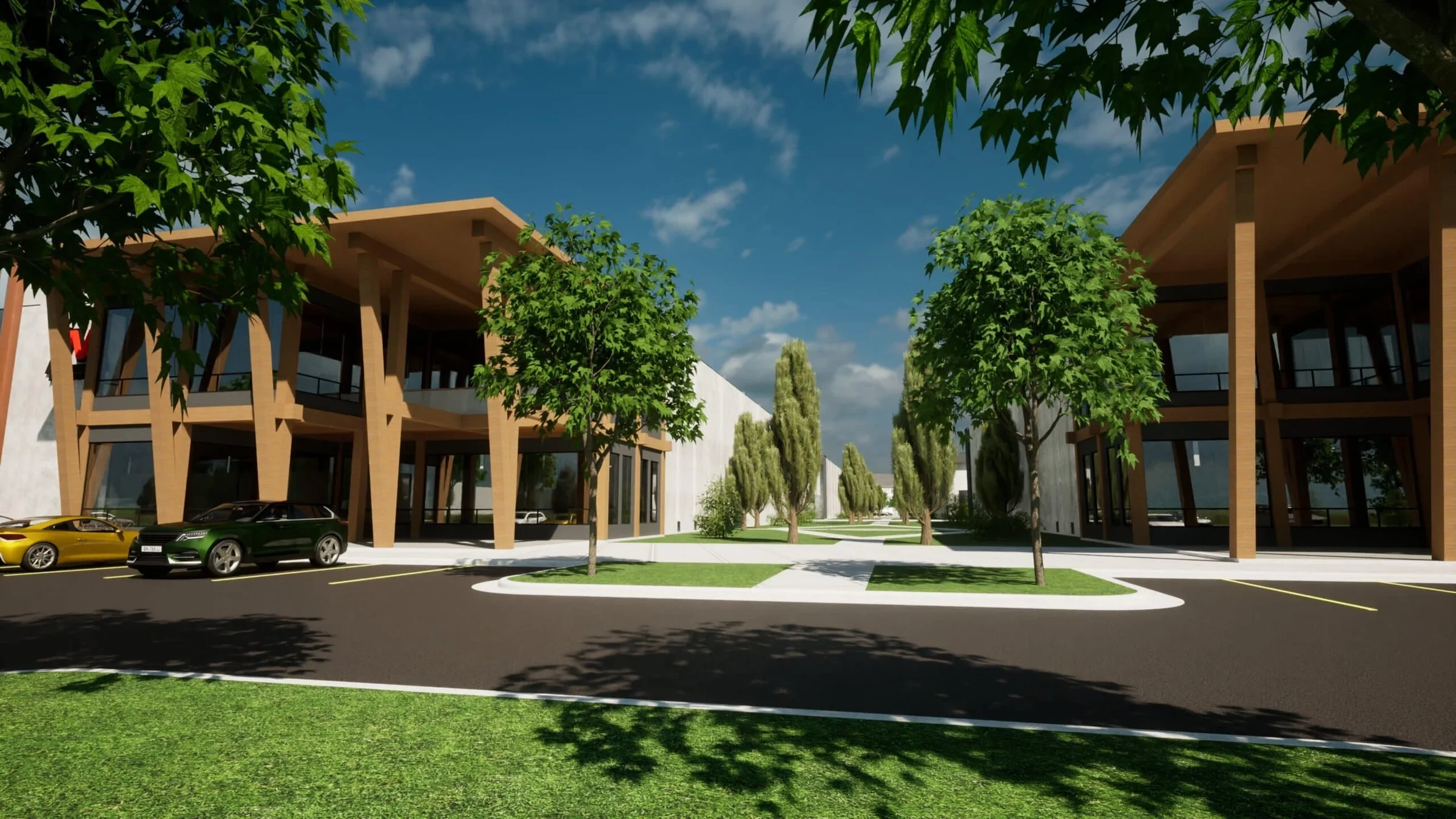
Big-Box Retail Roofing in Las Cruces, NM
Keeping the Sales Floor Dry While the Roof Comes Off Overhead
Big-box stores along the retail corridors near University Avenue and Telshor run on revenue-per-square-foot math that doesn't leave room for a wet sales floor or a closed department. A roof leak that stains merchandise or forces a section closure costs a retail tenant real money fast, and store managers remember which contractor caused that problem.
Why Retail Roof Failures Cost More Than the Repair
A leak over a distribution warehouse might mean moving some pallets. A leak over a retail sales floor means water-damaged inventory, a slip hazard that creates liability exposure, and possibly a department closure during business hours. We treat leak prevention on active retail roofs as higher priority than on almost any other building type we service, because the downstream cost of getting it wrong is so much higher than the roof repair itself.
Retail roofs also carry heavier rooftop HVAC and refrigeration loads than the building footprint alone might suggest at first glance, especially at stores with grocery or pharmacy sections built into a larger footprint. We inventory every curb and unit during assessment, since a missed penetration behind a rooftop sign structure or satellite dish mount is a common source of leaks nobody remembers is there.
Scheduling Around Store Hours and Peak Retail Seasons
Most big-box locations want the loudest roof work done before opening or after closing, and virtually everyone wants to avoid roof work entirely during the fourth-quarter retail peak. We plan reroof projects around a store's slower months when possible, and we shift noisy fastening work to early morning hours when foot traffic and staffing are lightest.
Delivery schedules matter too - a big-box store's truck delivery windows are tightly managed, and material staging for a roof job has to work around those docks rather than compete with them.
Seasonal promotional events add another scheduling wrinkle specific to retail. A store running a major sale weekend doesn't want a crane in the parking lot turning away customer traffic, and we check a store's promotional calendar alongside its delivery schedule before locking in mobilization dates.
- Big-box general merchandise and warehouse club stores
- Home improvement and hardware retail centers
- Sporting goods and outdoor retail stores
- Furniture and appliance showroom buildings
- Automotive parts and service center retail buildings
- Strip center anchor spaces with shared roof structures
Rooftop Signage and Equipment Coordination
Retail buildings often carry rooftop-mounted signage structures, satellite equipment, and solar arrays added well after original construction, none of which show up on the original roof plans. We walk the roof physically rather than relying on old drawings, because retrofit equipment installed by a different contractor years earlier is a common source of undocumented penetrations.
Any rooftop sign structure penetration gets flashed to the same standard as a mechanical curb during our work - a lot of retail roof leaks trace back to a sign mount that was sealed with caulk instead of proper flashing when it went in.
Solar arrays installed after the original roof went in bring their own set of concerns, since panel racking mounts and conduit runs both add penetration points and shading patterns that can trap debris or moisture underneath. We coordinate with whoever manages the solar equipment before touching membrane near a rack mount, since disturbing an active electrical system without proper shutdown creates a hazard nobody wants on the job site.
Shared Roofs on Strip Center Configurations
Anchor tenants in a strip center sometimes share a roof structure with adjacent smaller retail spaces, which means coordination with the property manager and potentially other tenants before work starts. We map roof drainage and structural tie-ins across the whole shared roof plane, including the smaller tenant spaces beyond the anchor's leased footprint, since water doesn't respect a lease line.
We communicate clearly with property management about which portion of the roof is under whose responsibility before quoting, so cost allocation doesn't become a dispute after the work is done.
Common area maintenance charges tied to the roof can also become a point of friction between an anchor tenant and smaller in-line shops sharing the same plane, especially when the smaller tenants never see the roof directly. We keep our documentation detailed enough that property management can allocate costs fairly if that conversation comes up during or after the project.
Questions From Retail Store and Facilities Managers
Can roof work happen without closing part of the store?
In nearly all cases, yes. We schedule the loudest work outside business hours and tarp actively open tear-off sections to eliminate leak risk during store hours.
How do you handle roofs with sign structures and satellite equipment on them?
We physically walk and document every rooftop penetration rather than relying on original drawings, since retrofit equipment is rarely reflected in old plans.
Will you avoid fourth-quarter scheduling?
Yes, when possible - we prioritize retail reroof scheduling in the slower months and hold Q4 for emergency repair capacity only.
What happens on a shared roof at a strip center?
We map the full roof structure and coordinate with property management on responsibility boundaries before quoting, since drainage issues rarely stay contained to one tenant's footprint.
What causes most leaks around rooftop signage?
Caulk used in place of proper flashing at the sign mount base is the most common cause we find - we re-flash those penetrations to the same standard as any mechanical curb.