
- Home
- Industries We Serve
- Logistics and 3PL Warehouse Roofing in Las Cruces, NM
Industries We Serve
Logistics and 3PL Warehouse Roofing in Las Cruces, NM
Roofs Built for the Santa Teresa Freight Corridor
Santa Teresa sits on the border corridor between Las Cruces and El Paso, with the Union Pacific intermodal yard, the Santa Teresa Port of Entry, and a growing stack of cross-dock and 3PL warehouses running freight in and out around the clock. A roof over that kind of operation doesn't get a maintenance window - it gets worked on while trucks keep backing into dock doors underneath it.
Zero-Downtime Expectations on 24/7 Operations
A distribution center running two or three shifts doesn't stop for a roof crew, and we don't ask it to. Tear-off and membrane work get sequenced over active dock zones in sections that stay weathertight by end of shift, with material staging kept clear of trailer lanes and dock approach lines. Losing a dock door to roof work for even half a day costs a 3PL operator more than most of our invoice - we plan around that reality, not around our own convenience.
Noise and dust control matter here too. Cross-border freight facilities near Santa Teresa run tight schedules with carriers on appointment windows, and a roof crew that disrupts loading dock traffic creates a problem that shows up on someone's KPI report. We stage equipment and coordinate work zones with the facility's operations manager, not only the maintenance team.
Big Roofs, Long Runs, Ponding Risk
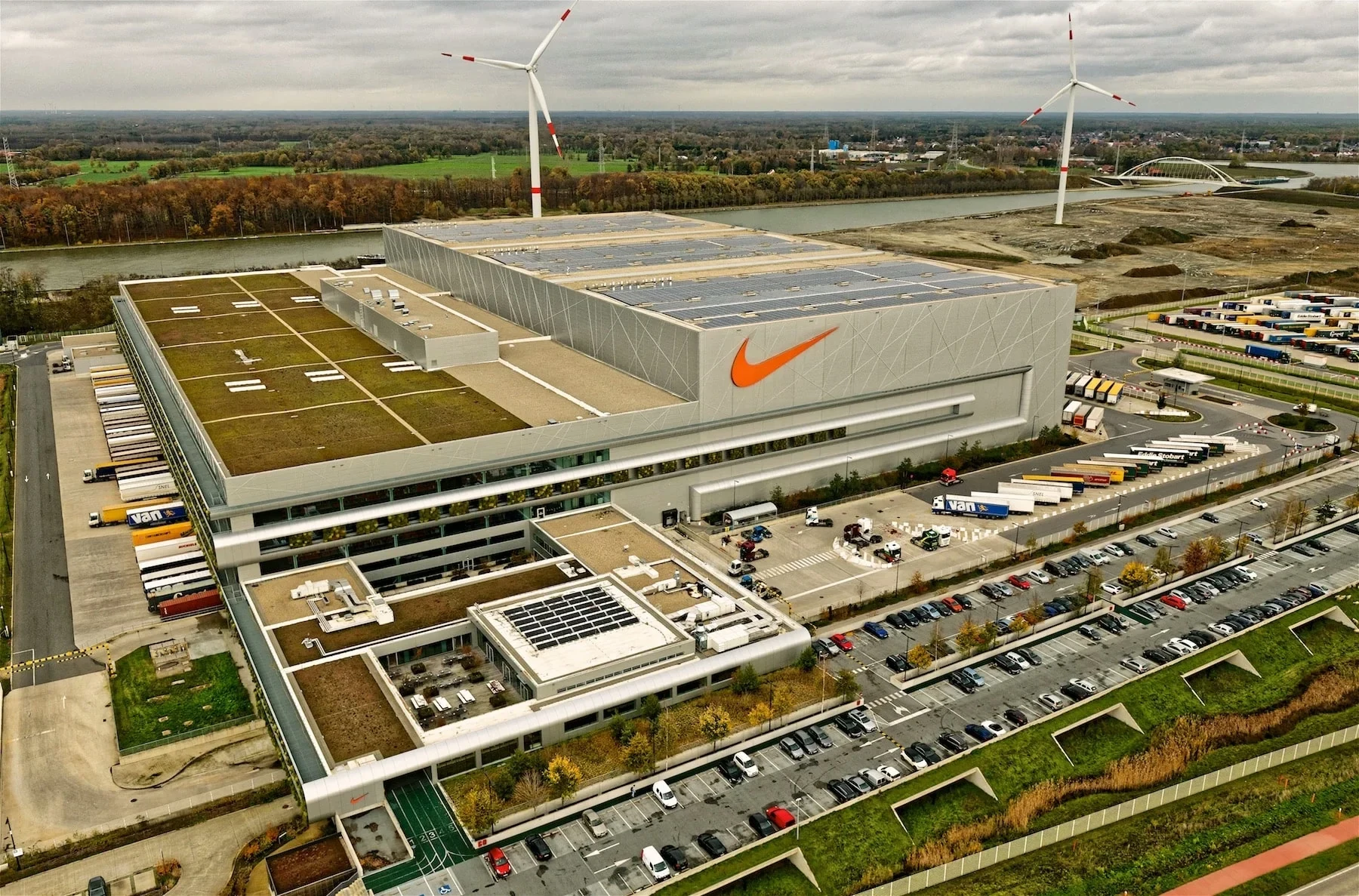
Distribution centers along the corridor run some of the largest unbroken low-slope roof areas in the region - 200,000 to 500,000 square feet isn't unusual for a cross-dock facility. That much flat area concentrates drainage problems fast: a single undersized drain or a settled deck section can pond water across a wide radius, and ponding is what kills a TPO or EPDM membrane years before its rated life.
We survey the drain field and tapered insulation layout before recommending recover versus tear-off on buildings this size. Adding drains or crickets during a recover costs less than dealing with chronic ponding failures two years after a new membrane goes down over a drainage problem nobody fixed.
Rooftop Equipment Load on Distribution Buildings
Warehouse and 3PL roofs carry a heavier equipment load than a typical office building - HVAC units sized for high-bay space, exhaust fans over dock areas, sometimes solar arrays or fall-protection anchor systems added after the original build. Every one of those penetrations is a potential leak point, and every equipment swap is a chance for a mechanical contractor to reflash a curb wrong.
We document every penetration on the roof during our initial survey - curb condition, flashing integrity, sealant age - so when a facility adds equipment later, there's a baseline to compare against and a clear record of what was already there versus what changed.
Desert Sun, Monsoon Bursts, and Dust Load
Roofs on the border corridor take a beating from two directions. Summer UV exposure in the Chihuahuan Desert runs relentless, which degrades membrane surfaces and sealants faster than milder climates. Then monsoon season hits with short, intense downpours that overwhelm drains sized for slow steady rain rather than a half-inch in twenty minutes.
Wind-driven dust off open desert lots near Santa Teresa also settles into drains and scuppers between storms, so a drain that tested clear in June can be half-clogged by the first big monsoon storm in July. We build inspection intervals around that pattern rather than a generic twice-a-year schedule.
- Phased tear-off sequencing that keeps dock doors weathertight through every shift
- Drain field and tapered insulation surveys before recover decisions
- Rooftop equipment and penetration documentation for large mechanical loads
- Pre-monsoon drain and scupper clearing to handle dust accumulation
- UV-resistant membrane selection for long, unbroken roof runs
- Coordination with operations managers on appointment-window scheduling
Facilities near the Union Pacific intermodal yard and the port of entry also deal with security protocols a lot of contractors aren't used to - badge access, escort requirements, sometimes CBP-adjacent security zones. We build that into our mobilization plan up front instead of losing the first two days of a project to credentialing.
Multi-Site Portfolios Along the Corridor
3PL and logistics operators managing several buildings between Las Cruces, Santa Teresa, and the West Mesa industrial park benefit from a single roof condition baseline across the portfolio rather than reacting building by building. We can survey multiple properties on the same trip and prioritize capital spend by which roof is actually closest to failure, not only which one had the most recent leak call.
That portfolio view matters when budget gets allocated once a year and a facilities director has to make the case for which building gets the reroof budget first.
What Logistics and 3PL Facilities Managers Ask Us
Can you work on our roof without shutting down dock operations?
Yes, that's the standard approach on distribution center work. We phase tear-off in sections that stay weathertight and out of the way of active dock lanes, and we coordinate timing with your operations schedule, not only maintenance.
How often should drains get inspected on a corridor warehouse roof?
We recommend checking drains and scuppers before monsoon season starts and again mid-season, since dust accumulation between storms can clog a drain that tested clear a few weeks earlier.
Do you handle roofs near the port of entry with security or badge requirements?
Yes. We coordinate credentialing and site access requirements during mobilization planning so crews aren't losing project days to security clearance on day one.
Can you survey multiple buildings in our portfolio on one visit?
Yes, and we typically recommend it for operators with several properties along the corridor - it lets us prioritize capital spend across the portfolio instead of treating each roof as an isolated decision.
What roof system holds up best against desert UV on a large distribution roof?
TPO with a heat-welded seam system generally performs well against sustained UV exposure here, though the right call depends on the existing deck, insulation condition, and drainage - that's what our survey is for before we recommend a system.