

- Home
- Industries We Serve
- Property Management Firm Roofing Services in Las Cruces, NM
Industries We Serve
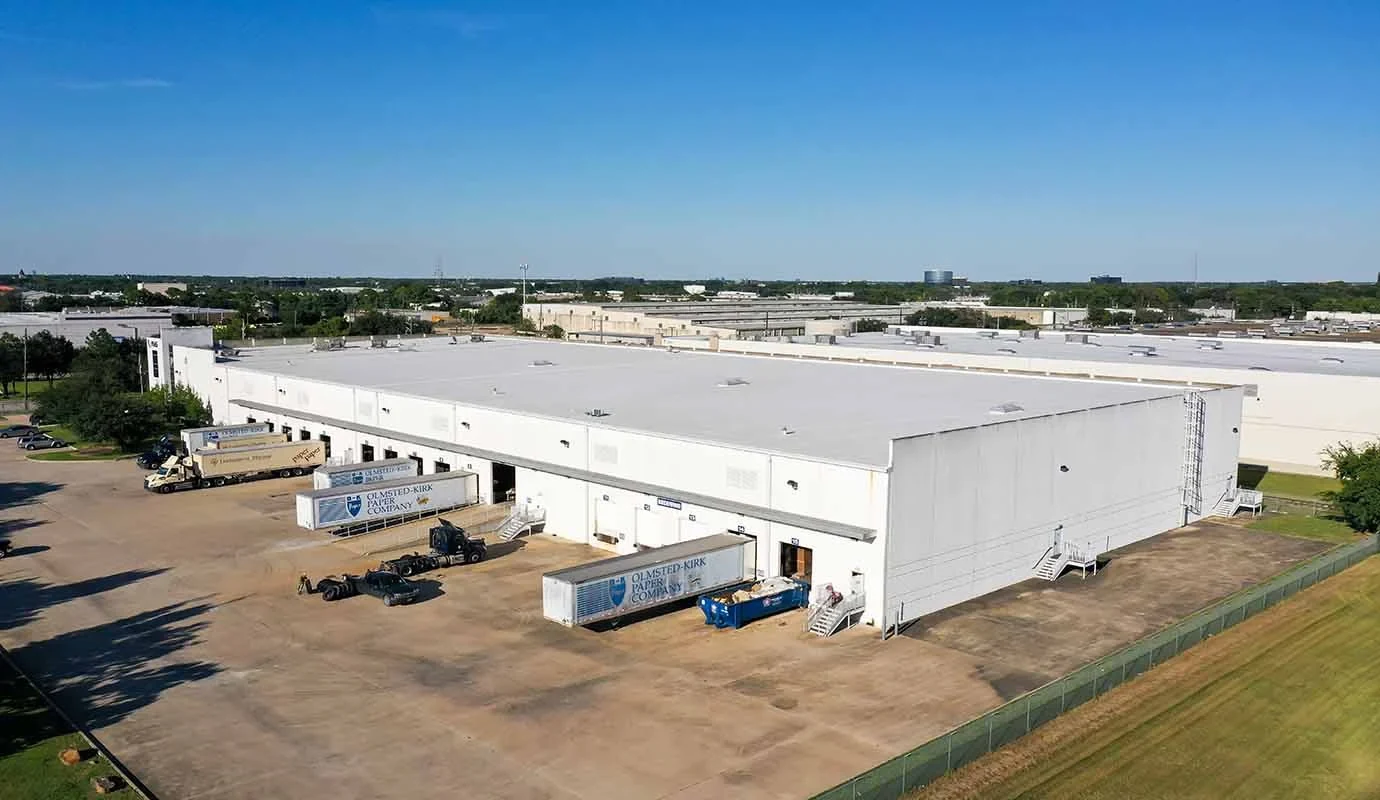
Property Management Firm Roofing Services in Las Cruces, NM
One Call for Every Roof in the Portfolio
Property management firms covering strip retail, small industrial, and multi-tenant office buildings across Las Cruces don't need a different roofer for every address. We work as the standing roof contact across a portfolio, so a leak call at one property and a preventive maintenance visit at another both go through the same relationship instead of starting from zero each time.
Work Order Response and Tenant Coordination
A roof leak call from a tenant becomes a property manager's problem the moment it's reported, and how fast that gets triaged affects the tenant relationship as much as the actual repair. We respond to work orders with a clear timeline up front - when we can get eyes on the roof, what we expect the fix to involve, and whether it's a same-visit repair or needs a follow-up. That lets the property manager give the tenant a real answer instead of "we're looking into it."
Multi-tenant buildings complicate access - a repair over one suite's ceiling might require notifying three tenants below the affected roof section. We coordinate that notification and access scheduling with the property manager's office rather than showing up and figuring it out on-site.
Preventive Maintenance Across Multiple Small Buildings
Strip retail and small commercial buildings in a management portfolio rarely get the capital attention that one large distribution center gets, which means small problems - a lifted seam, a clogged scupper, a cracked pipe boot - sit until they become leak calls. A standing maintenance visit across every property in the portfolio catches those small items before they turn into emergency repairs and unhappy tenant calls.
We schedule these visits to hit before monsoon season, when the short intense downpours find every weak seam and clogged drain across a portfolio at once. Catching a clogged scupper in June costs a fraction of what a July monsoon leak claim costs once it's dripping into a tenant's ceiling tile.
Budget Reporting Ownership Actually Reads
Property managers answer to ownership on repair spend, and a vague invoice doesn't help that conversation. We itemize repairs by property and provide photo documentation ownership can review without a site visit, plus a running condition note on each roof so a property manager can flag which buildings are approaching a capital decision before it becomes an emergency.
- Portfolio-wide preventive maintenance scheduled ahead of monsoon season
- Work order response with clear repair timelines for tenant communication
- Photo-documented repair reporting formatted for ownership review
- Coordinated multi-tenant access scheduling for interior-affecting repairs
- Condition tracking that flags roofs approaching a capital decision
- Consistent contact across every property in the managed portfolio
That condition tracking matters most at renewal or budget-planning time, when a property manager needs to walk into an ownership meeting with a defensible answer about which roofs need capital next year versus which can run another maintenance cycle.
Handling the Small Stuff Without a Big Invoice
A lot of property management roof calls are small - a pipe boot, a flashing seal, a debris-clogged drain - and treating every call like a major repair erodes trust with a management firm that's watching costs across dozens of buildings. We scope repairs to match the actual problem and flag when something looks like it's heading toward a bigger issue, rather than upselling every visit.
That approach is what keeps a management firm calling the same roofer building after building instead of shopping every work order to the lowest bidder.
Turnover, Lease-Up, and Vacant-Suite Roof Checks
Tenant turnover is a natural checkpoint for a roof look. When a suite goes vacant between leases, a quick check of the roof section above it - flashing at the parapet, condition of the membrane over that bay, any signs of past patch work - costs little and catches problems before a new tenant's fixtures and inventory are sitting under a section that's about to leak.
We flag these findings back to the property manager as part of the turnover process rather than a separate service call, since it's already an access window and a natural point to update the roof's condition record before the next lease starts.
Common Questions From Property Managers
Can you be our standing roof contact across all our managed properties?
Yes, that's how most of our property management relationships work - one point of contact for work orders, maintenance visits, and emergency calls across every building in the portfolio.
How fast can you respond to a tenant leak complaint?
Response time depends on severity and current schedule, but we give a clear timeline on the first call so you can communicate a real answer to the tenant rather than an open-ended "someone will look at it."
Do you coordinate directly with tenants or only through our office?
We work through your office for scheduling and communication unless you'd prefer direct tenant coordination - that's a preference we set up front with each management relationship.
Can you provide a single report covering every roof in our portfolio?
Yes. We track condition property by property and can compile a portfolio-wide summary for budget planning or ownership reporting whenever you need it.
What's the value of a preventive maintenance visit versus waiting for leak calls?
Catching a lifted seam or clogged drain before monsoon season costs far less than the emergency repair and tenant disruption after it's already leaking, and it extends the roof's service life across the board.