- Home
- Industries We Serve
- Food Processing and Cold Storage Roofing in Las Cruces, NM
Industries We Serve
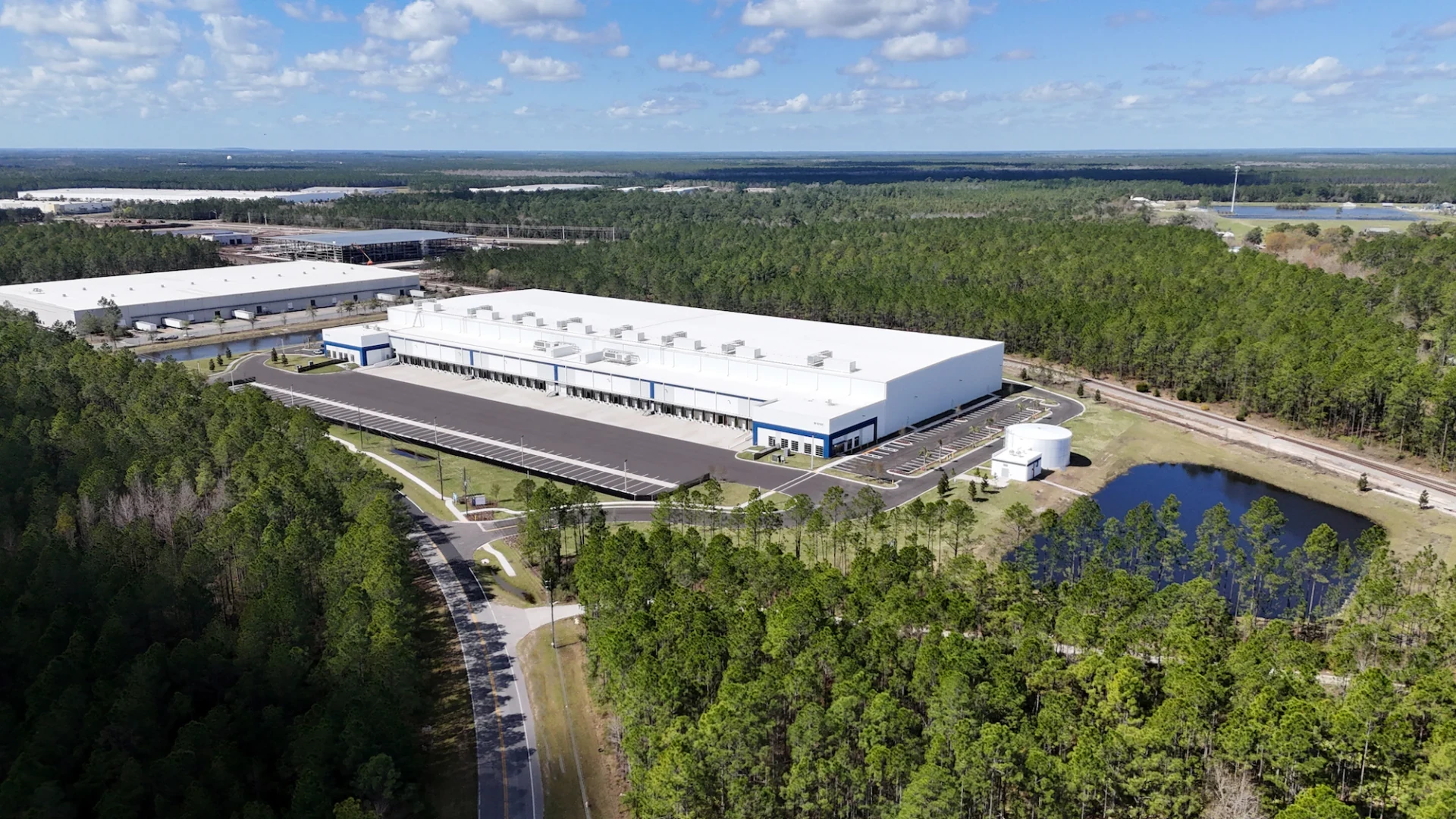
Food Processing and Cold Storage Roofing in Las Cruces, NM
Roofs That Handle Condensation From Both Sides
Chile processing plants, dairy operations, and cold-storage warehouses around Las Cruces and up through Hatch and the Mesilla Valley run roofs under a kind of stress most commercial buildings never see - refrigerated interiors pushing moisture toward the deck while desert heat bakes the exterior membrane. Get the vapor barrier wrong on that combination and you're chasing interior condensation for years, not only a roof leak.
Vapor Drive and Interior Condensation
A cold-storage or refrigerated processing roof has warm, humid air on one side of the insulation and a cold interior on the other, which drives moisture toward the deck constantly, not only during a storm. If the vapor barrier is missing, damaged, or installed on the wrong side of the assembly, that moisture condenses inside the roof system and you get wet insulation, deck corrosion, and drips that show up on the production floor with no visible roof leak to explain them.
We check vapor barrier condition and placement specifically on cold-storage and processing buildings before recommending recover versus tear-off, because a recover over a compromised vapor barrier just traps the existing moisture problem under a new membrane.
Sanitation and Food-Safety Considerations
Processing facilities running under USDA or state food-safety oversight need roof work that doesn't compromise sanitation protocols below. We coordinate tear-off and dry-in sequencing to avoid debris and dust entering active processing areas, and we schedule hot work like torch-applied modified bitumen away from air intakes serving production or packaging floors.
Steam venting, exhaust hoods, and washdown drain penetrations through the roof deck are common on chile processing and dairy buildings, and each one needs flashing detail that holds up against both the exterior desert climate and interior washdown moisture. We treat these penetrations as the highest-risk points on the roof, not an afterthought after the field membrane is down.
Seasonal Processing Loads and Scheduling
Chile harvest season runs late summer into early fall, right when Hatch and Mesilla Valley processing operations run at peak capacity - the worst possible time for a roof crew to be on-site disrupting operations. We schedule major roof work around harvest and peak-processing windows when we can, working with plant operations to find the slower months rather than assuming a calendar that ignores the actual production cycle.
Dairy operations run more consistent year-round schedules but still have washdown and inspection routines that shift work timing. We ask about the operational rhythm of a specific plant before proposing a schedule instead of defaulting to a generic construction timeline.
Refrigeration Equipment and Roof Penetrations
Cold-storage buildings carry heavier and more numerous roof-mounted refrigeration units than a typical warehouse, and every condenser curb is a spot where flashing failure turns into a bigger problem than a normal roof leak - refrigerant lines and electrical runs complicate any repair near a failed curb. We map every piece of refrigeration equipment on the roof during our survey so future work references a known baseline instead of guessing at what's original versus added later.
- Vapor barrier inspection specific to refrigerated and cold-storage assemblies
- Flashing details built for washdown and steam-venting penetrations
- Scheduling coordinated around chile harvest and peak-processing windows
- Refrigeration curb and condenser mapping for future repair reference
- Dust and debris control during tear-off near active processing floors
- Sanitation-compliant sequencing for USDA and state-regulated facilities
Getting this wrong is expensive in a way that goes beyond roofing cost - a compromised roof over a processing floor can trigger a sanitation hold or a compliance finding that shuts down production, which is a cost multiple of any roof repair.
Desert Exterior, Refrigerated Interior
The exterior side of these roofs still takes the full Chihuahuan Desert UV load and monsoon downpours like any other Las Cruces commercial roof, so membrane selection has to handle both that exterior exposure and the interior vapor drive at the same time. Silicone coatings and TPO membranes both see use here, but the assembly underneath - vapor barrier, insulation type, deck condition - matters more than the top membrane choice on these buildings.
What Food Processing and Cold Storage Operators Ask Us
How do you find a vapor barrier failure if there's no visible roof leak?
We look for interior signs first - wet insulation, deck corrosion, condensation staining - combined with a roof-side inspection of vapor barrier seams and penetrations. Infrared scanning can help pinpoint moisture trapped in the assembly on larger cold-storage roofs.
Can you schedule work around our processing season?
Yes, and we'd rather build the schedule around your peak season than force a generic construction timeline on a plant that's running full production during harvest months.
Do you have experience with USDA-regulated facility sanitation requirements?
We coordinate dust, debris, and hot-work sequencing to protect sanitation protocols on regulated processing floors, working directly with plant operations to understand specific requirements for each facility.
What causes condensation drips on our production floor with no visible roof leak?
That's often a vapor barrier or insulation failure rather than a membrane leak - moisture condensing inside the roof assembly from interior humidity meeting a cold deck, not water coming through from outside.
How do refrigeration units on the roof affect a reroof project?
They add complexity around every curb - refrigerant lines and electrical runs mean repairs near a condenser take more care and often more time than a standard roof penetration, which we account for in scheduling and cost.