
- Home
- Service Areas
- Commercial Roofing Contractors Alamogordo, NM
Service Areas
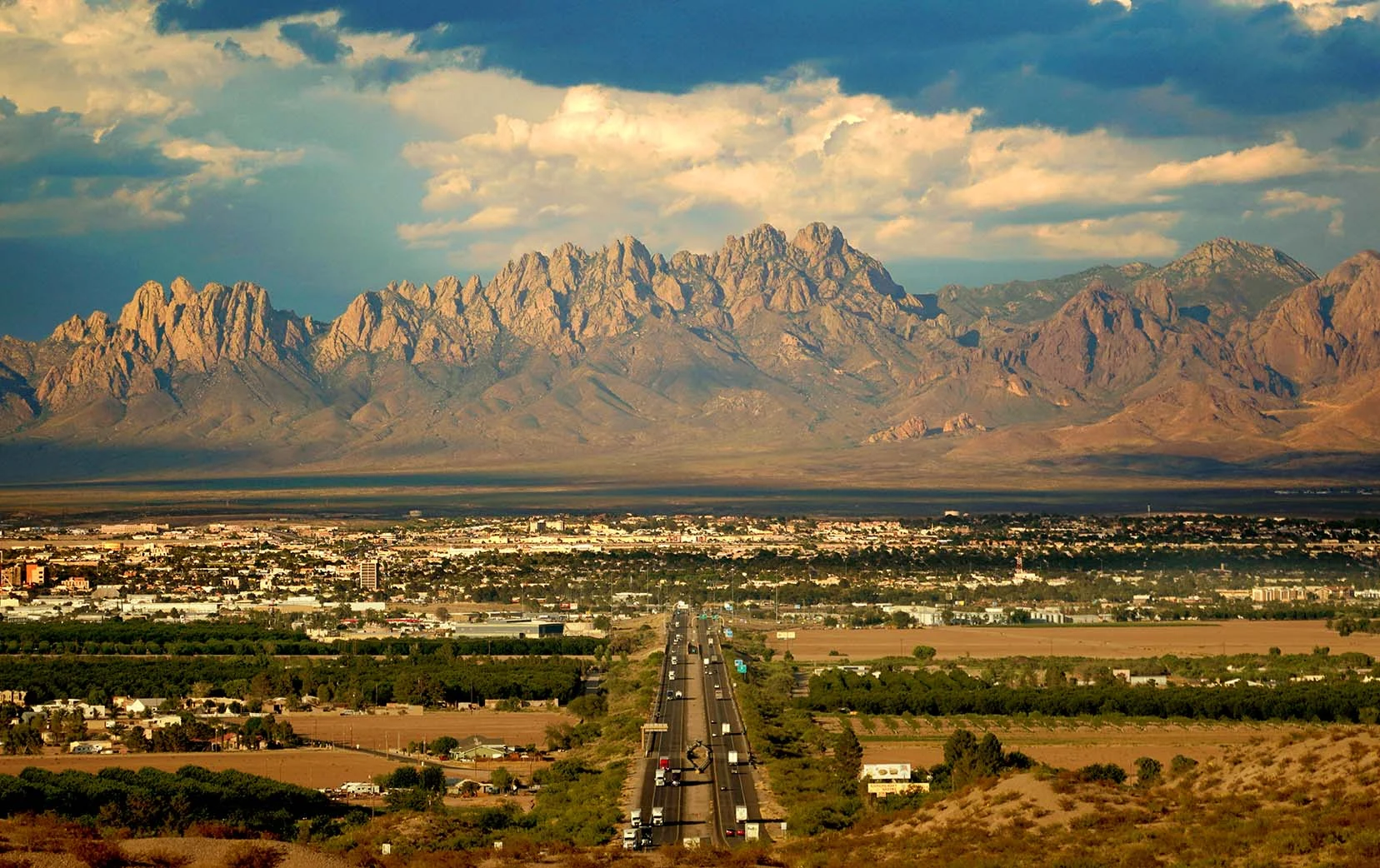
Commercial Roofing Contractors Alamogordo, NM
Commercial Roofers in Alamogordo
For commercial properties in Alamogordo, the defensible choice between repair, restoration, and replacement starts with roof-system condition, moisture findings, drainage performance, and remaining service life. Alamogordo is the Otero County seat and the gateway to White Sands, with an economy that leans heavily on Holloman Air Force Base, tourism traffic headed to the dunes, and a retail and medical base that serves the whole county. We work these roofs knowing the base drives a lot of the off-base commercial activity even where the buildings themselves aren't military property.
Retail and Restaurant Roofs Along White Sands Boulevard
The main commercial corridor through Alamogordo carries a steady mix of restaurants, motels, and retail buildings serving both local traffic and visitors headed to White Sands National Park. These are mostly single-story flat or low-slope roofs, a lot of them modified bitumen or older single-ply that's been patched over the years by whoever was available. High visitor traffic in the warmer months means a leak during peak tourist season is a bigger business problem than the same leak in the off-season, so we prioritize response speed on these accounts.
We also see rooftop sign structures and additional HVAC load on a lot of these buildings from remodels over the years, and that's usually where the flashing has been compromised the most.
Occupancy on this corridor swings hard between summer, when park visitors fill every parking lot along the strip, and the quieter winter months. We use the slower season to schedule larger repair or replacement projects on these buildings, so a restaurant or motel isn't dealing with roof crews during its busiest weeks.
Off-Base Support Facilities Near Holloman's Main Gate
A cluster of contractor offices, logistics support buildings, and service facilities has grown up around Holloman's main gate to serve the base without being on it. These buildings tend to be newer metal or single-ply construction and see a security-conscious tenant base - scheduling access, background coordination for crews, and predictable arrival windows matter more here than on a typical commercial account. We plan these jobs with that in mind rather than treating access like an afterthought.
A number of these support buildings were converted from older commercial structures rather than built new, and that means the roof deck underneath doesn't always match what the current tenant's operations need - added server rooms or secure storage areas often carry different load and ventilation requirements than the roof was originally designed around. We flag that mismatch during inspection rather than assuming an older deck automatically supports newer equipment.
Medical and Clinical Building Roofs
Gerald Champion Regional Medical Center and the clinics around it serve as the county's medical hub, and hospital-adjacent buildings carry roofing requirements that go beyond a typical commercial job - continuous occupancy, sensitive equipment below the roof deck, and strict rules around dust and vibration during any work near patient care areas. We treat medical facility roofing as its own category, with containment and noise planning built into the scope from the start rather than added after a complaint.
Gypsum Dust and Mountain-to-Desert Weather Swings
Alamogordo sits close enough to the White Sands gypsum dune field that fine white dust shows up on rooftops and in drainage systems more than in other parts of the region, and it behaves differently than typical desert grit - it's finer and packs into low spots fast. At the same time, the Sacramento Mountains rising just east of town mean Alamogordo sees more temperature swing and occasional hail out of mountain-influenced storm cells than the flatter desert floor around Las Cruces. We factor both into how often we recommend drainage checks and what kind of impact resistance makes sense for a given roof.
Elevation also plays a role - Alamogordo sits noticeably higher than Las Cruces, and buildings here can see an occasional light snow or hard freeze in winter that's rare down in the valley. We check for ice damming potential at parapet walls and drain outlets on any building with a history of ponding, since a freeze-thaw cycle on standing water causes damage a purely desert climate wouldn't.
Wind coming down off the Sacramentos can also gust harder through Alamogordo than it does out on the open flats near Las Cruces, funneled by the canyon terrain east of town. We pay close attention to edge metal and parapet cap fastening on buildings here for that reason, since a loose edge is usually the first thing to fail in a mountain-driven wind event.
- Retail and restaurant buildings along White Sands Boulevard
- Medical office and hospital-adjacent buildings
- Off-base defense-contractor support facilities
- School district buildings
- Motel and hospitality roofs serving park visitors
What Alamogordo Facility Managers Ask Us
Can you respond quickly to a leak during peak tourist season?
Yes, we prioritize fast response on visitor-facing retail and hospitality accounts during the busier months when downtime costs more in lost business.
Do you handle security or access requirements for buildings near Holloman's gate?
We do, and we coordinate crew scheduling and access windows in advance with facilities that require that kind of planning near the base.
How do you manage roof work near an occupied medical facility?
We plan for dust containment, noise limits, and vibration-sensitive scheduling around patient care areas as a standard part of scoping any medical-adjacent roof.
Does the gypsum dust from White Sands cause different roof problems than regular desert dust?
It packs into drains and low spots more readily than coarser dust, so we recommend checking drainage points more frequently on buildings closer to the dune field.
Is hail a real concern for Alamogordo roofs given the desert climate?
More than people expect. The Sacramento Mountains nearby generate storm cells that bring hail to Alamogordo more often than the flatter desert floor around Las Cruces sees.