- Home
- Commercial Roofing Services
- Built-Up Roofing (BUR) in Las Cruces, NM
Commercial Roofing Services
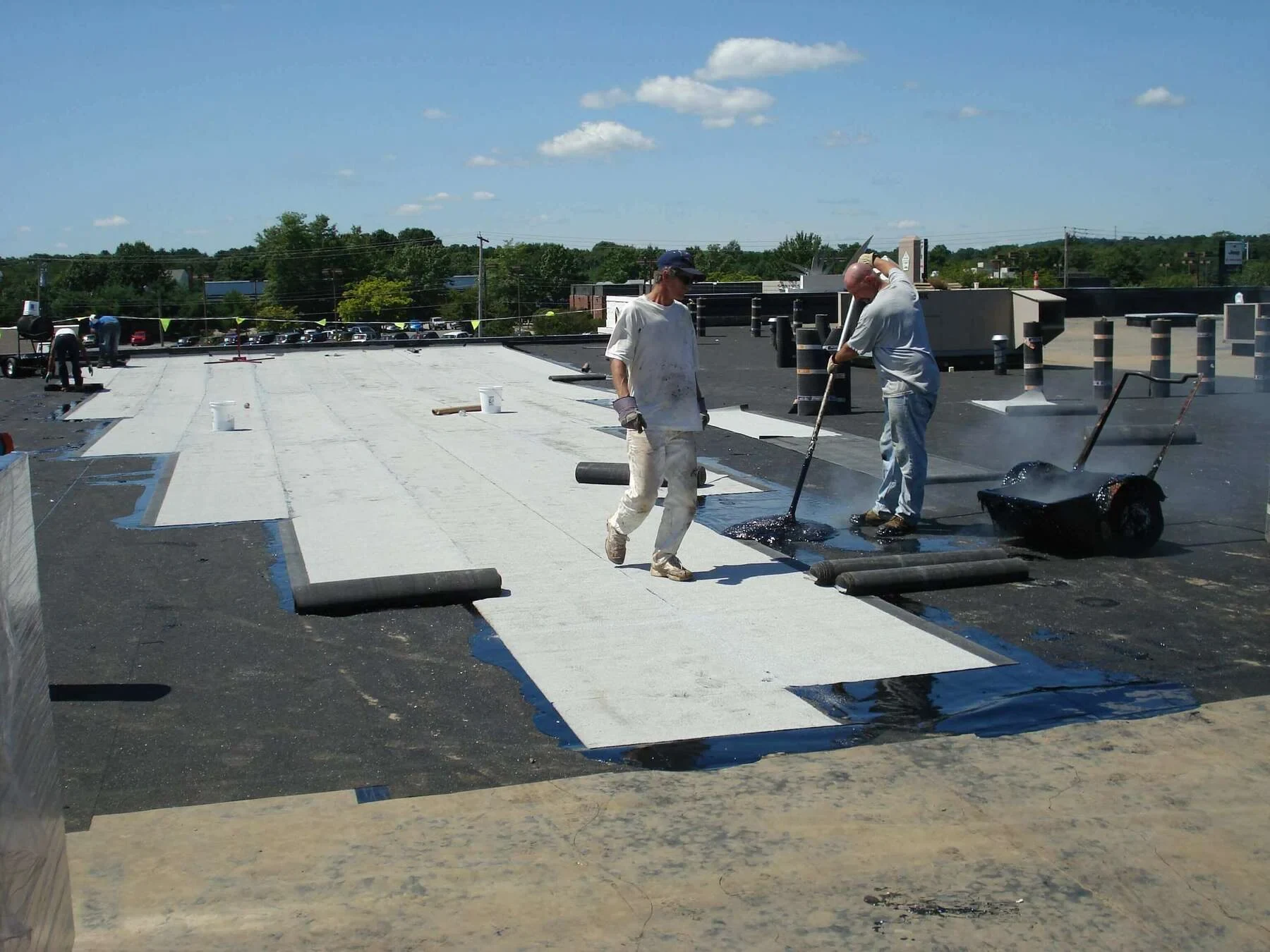
Built-Up Roofing (BUR) in Las Cruces, NM
Built-Up Roofing on Older Las Cruces Buildings That Still Hold Up
A fair number of the older commercial buildings around downtown and the NMSU campus edge still carry original built-up roofing -- alternating layers of felt and asphalt under a gravel or cap sheet surface. This page covers how we assess, repair, and eventually replace a BUR system without pushing a full tear-off before the building actually needs one.
Why Some Owners Keep Repairing Instead of Replacing
A well-maintained BUR system can keep performing for a long time past when a newer single-ply roof would have already needed replacement. The multi-ply asphalt-and-felt construction is forgiving of minor damage in a way a thin single membrane isn't, and a targeted repair on one section doesn't compromise the rest of the roof the way a puncture can on some single-ply systems.
For owners of older buildings around downtown, that means a repair-and-monitor approach often makes more financial sense than jumping straight to replacement, as long as the underlying insulation and deck are still dry.
Gravel Surfacing and Drainage Under Monsoon Load
Gravel-surfaced BUR roofs are common on older buildings here, and gravel does two things: it protects the asphalt plies from UV and it adds ballast weight. The tradeoff is that gravel migrates over time, especially around drains and scuppers, and monsoon downpours push it further with every storm.
We check drain strainers and gravel stops as a routine part of any BUR inspection, since a clogged drain during a heavy monsoon burst is one of the fastest ways an otherwise sound roof ends up with standing water it was never designed to hold.
Where BUR Fails First
Base flashing at parapet walls and equipment curbs is where we find most active leaks on aging BUR roofs. The felt plies themselves often outlast the flashing details around them, especially on buildings that have gone through multiple partial repairs over the years without ever addressing the flashing that keeps failing.
- Base flashing separation at parapet walls
- Blistering where moisture has gotten trapped between plies
- Alligatoring and dried-out asphalt on unprotected fields
- Ponding around clogged or undersized drains
- Gravel loss exposing bare felt to direct UV
- Curb flashing failure around rooftop mechanical units
UV and Thermal Cycling on Asphalt-Based Roofs
Asphalt in a BUR system dries out under sustained UV exposure over the years, and this valley's sun load accelerates that more than a milder climate would. Alligatoring -- the cracked, reptilian surface pattern that shows up on aged asphalt -- is something we see regularly on unprotected BUR fields that have gone a long time without gravel replenishment or a protective coating.
The daily swing between a hot roof surface and a cool desert night adds to that stress, since the asphalt plies expand and contract more than a rubber or thermoplastic membrane would across the same temperature range.
Recover, Coat, or Replace: Making the Call
When we inspect an older BUR roof, the first question is whether the deck and insulation underneath are still dry. If they are, a recover with a new cap sheet or a reflective coating over sound gravel-surfaced BUR can add years of service without the cost of full tear-off. If moisture has gotten into the insulation, that's usually the point where repair stops making financial sense and replacement becomes the honest recommendation.
Working Around Downtown and Campus-Edge Access Constraints
A lot of the buildings still running original BUR sit on tighter downtown lots or along the older commercial blocks near NMSU, where roof access, parking, and material staging are more constrained than on a suburban West Mesa site. We plan hot material handling and gravel or cap sheet deliveries around those site limits well before a crew shows up, rather than discovering the access problem on install day.
Noise and tar odor also draw more attention on tighter downtown sites with closer neighboring tenants, so we coordinate timing with adjacent businesses when a project runs long enough to matter.
We keep photo documentation on every BUR inspection specifically because these buildings tend to change ownership or management more often than newer construction. A clear paper trail on roof condition helps whoever inherits the building next make an informed decision instead of starting from zero.
Common Questions About BUR
How do you know if a BUR roof still has life left in it?
We core-sample or probe the roof to check moisture in the insulation. Dry insulation under a worn surface often means the roof still has options short of full replacement.
Can you coat an old BUR roof instead of replacing it?
Often, yes, if the underlying plies and insulation are sound. A coating adds UV protection and can extend service life meaningfully -- we cover that in more detail on our coatings pages.
Why does gravel keep disappearing from our roof?
Wind and monsoon runoff both move loose gravel over time, especially toward drains and low points. We can address this with gravel replenishment or a transition to a coated cap sheet that doesn't rely on loose ballast.
Is a BUR roof more prone to leaks than a single-ply membrane?
Not inherently -- most leaks we find on BUR roofs trace back to flashing details rather than the field membrane itself. Flashing maintenance matters more on these roofs than field replacement usually does.
Do you still install new BUR systems, or only maintain existing ones?
We can install new BUR where an owner prefers it, though for most new construction we recommend a single-ply or modified bitumen system given how they perform under this climate.