- Home
- Commercial Roofing Services
- Edge Metal, Coping & Gutter Repair in Las Cruces, NM
Commercial Roofing Services
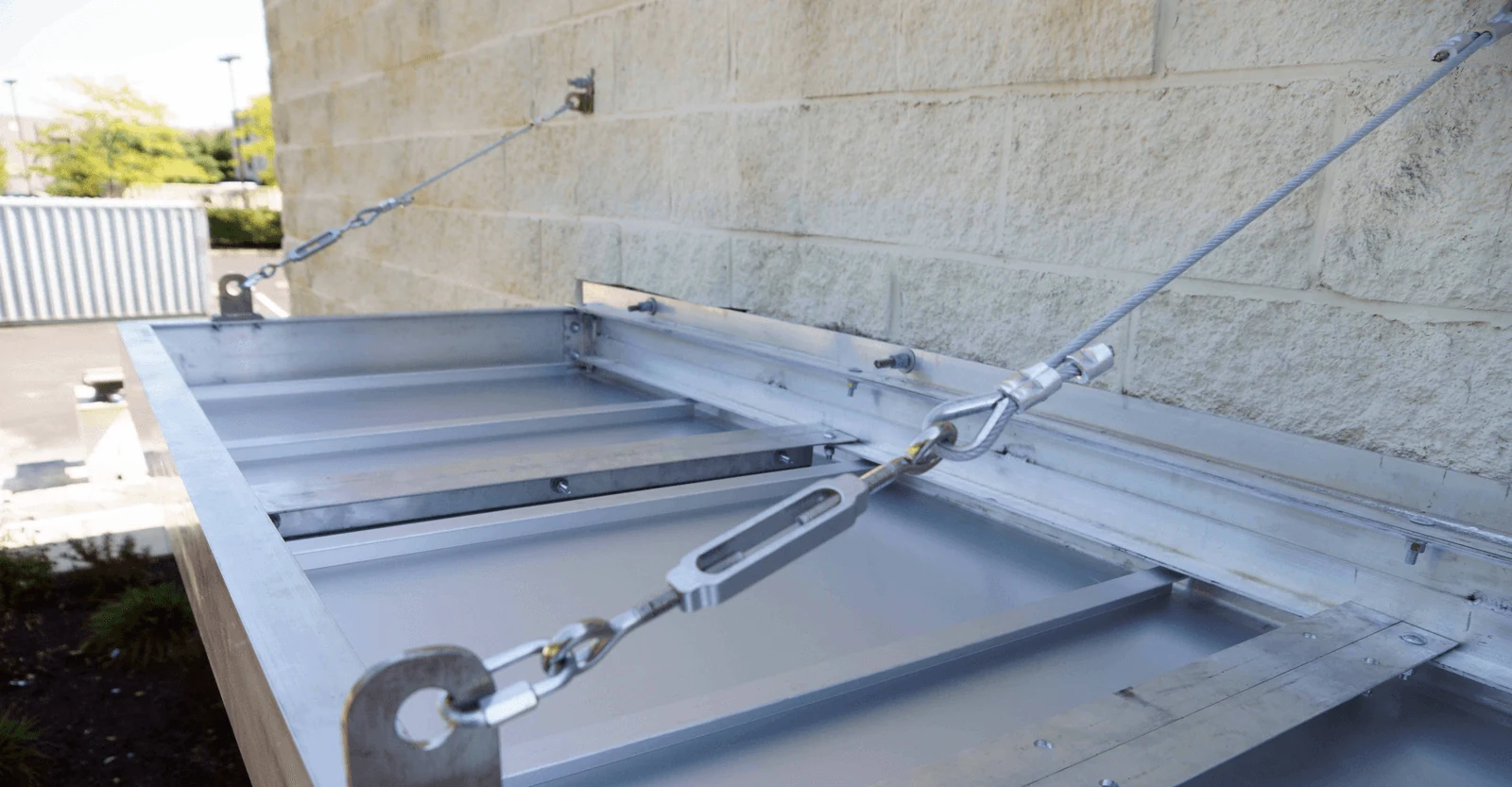
Edge Metal, Coping & Gutter Repair in Las Cruces, NM
Why the Roof's Perimeter Fails Before the Field Does
Ask any FM where a roof problem usually starts, and the honest answer is almost never the middle of the field. It's the edge, the coping cap that's worked loose, the gutter that's stopped draining, the edge metal that's taken the brunt of every windstorm this year. We spend as much attention on these details as we do on the membrane itself, because a failed perimeter takes the rest of the roof down with it.
The Perimeter Takes the Worst of the Wind
Wind uplift forces concentrate hardest at roof edges and corners, which is exactly where monsoon microbursts hit a building the most. Edge metal and coping are the first line of defense against that uplift, and when a fastening pattern has loosened over years of thermal cycling, that's the section most likely to peel back in the next hard gust.
We check perimeter fastening as a standard part of every inspection, not as an afterthought after the field of the roof has been reviewed, because a compromised edge detail can undermine an otherwise sound membrane system. A membrane that's holding up well across the field means little if the coping above it is loose enough to peel back in the next real wind event.
Coping Cap Fastener Backout From Daily Thermal Cycling
Metal coping caps expand and contract with every daily temperature swing, and Las Cruces sees a wider swing between a hot afternoon and a cool desert night than most markets. That daily movement works fasteners loose over time, slowly at first, then fast enough that a cap can lift in a strong gust once enough fasteners have backed out.
We look for early signs, slight gaps at seams, fastener heads sitting proud of the metal, caps that shift underfoot, before a cap actually comes loose. Catching that early is a straightforward retightening job. Catching it after a cap has blown off in a storm is a bigger repair and, often, water damage to the wall assembly underneath. We keep notes on which sections of coping have shown early movement so a follow-up visit can check the same spots first, rather than starting the survey from scratch every time.
Gutters Clogged by Desert Dust and Debris
Gutters and edge drainage systems here deal with a different problem than gutters in wetter climates. Instead of leaves, we see fine windblown dust, dry brush, and tumbleweed fragments building up fast, especially on buildings near open desert edges or agricultural land around the valley.
- Coping cap fastener inspection and retightening at seams and end laps
- Edge metal fastening pattern checks at corners and high-wind zones
- Gutter and downspout clearing of dust, dry brush, and debris buildup
- Sealant renewal at coping joints and end caps
- Wall flashing checks where edge metal ties into the building envelope
- Corrosion checks on older galvanized edge systems
A clogged gutter doesn't just overflow, it holds water against edge metal and fascia longer than the system was designed for, which accelerates corrosion on older galvanized details and can undermine sealant at coping joints over time.
Retrofitting Edge Metal Without a Full Reroof
Perimeter details often need attention well before the field membrane does, and replacing edge metal or coping doesn't have to mean tearing off the whole roof. We can retrofit a new edge metal system or replace coping in sections while the existing membrane stays in service, as long as the underlying deck and blocking are sound.
That's often the most cost-effective move on a roof that's still got years left in the field membrane but is showing wear specifically at the edges, which is a common pattern on buildings that have taken a few hard monsoon seasons in a row.
What Bad Edge Metal Actually Costs You
A coping cap that lifts in a storm doesn't just need to be reattached. It usually takes membrane, insulation, and sometimes wall assembly damage with it, turning a small maintenance item into a real repair bill. Gutters that overflow onto a building's exterior can stain facades and, over time, contribute to water intrusion at the wall line below the roofline.
Catching perimeter wear during a routine inspection, rather than after a failure, is one of the cheapest things we do relative to what it prevents. A retightened coping section during a scheduled visit runs a fraction of what a wind-loss claim and the resulting interior repair would cost after that same section failed in a storm.
Perimeter Repair Questions
How do you know if coping caps need attention before they fail?
We check fastener condition and look for early gaps or movement at seams during regular inspections. Caps that shift underfoot or show proud fastener heads are flagged before they become a wind-loss risk.
Can you replace edge metal without redoing the whole roof?
In most cases, yes. As long as the deck and blocking underneath are sound, edge metal and coping can be retrofitted in sections without disturbing the field membrane.
Why do our gutters clog so fast out here?
Windblown dust, dry vegetation, and debris from surrounding desert and agricultural land accumulate faster than leaves would in most other climates, especially on buildings near open land at the edges of the valley.
Does perimeter wear affect our wind uplift rating?
It can. Compromised edge fastening reduces the roof's actual resistance to uplift regardless of what the original rating specified, which is part of why we treat perimeter checks as a priority item.
How often should gutters and edge metal be checked?
At minimum during our standard pre-monsoon and post-monsoon inspection visits, though buildings near open desert or ag land sometimes benefit from an added check mid-season.