- Home
- Commercial Roofing Services
- Roof Recover and Overlay Systems in Las Cruces, NM
Commercial Roofing Services
Roof Recover and Overlay Systems in Las Cruces, NM
Recover Instead of Tear-Off When the Deck Is Still Sound
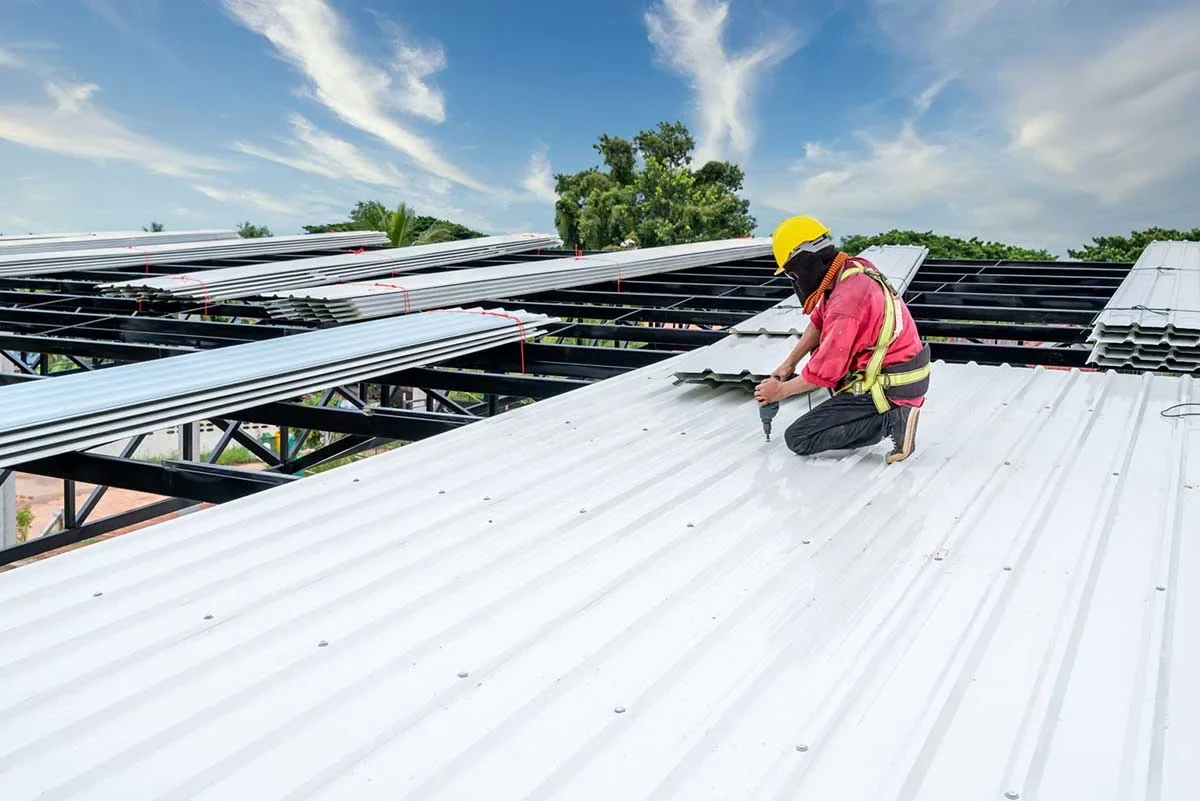
Not every roof that's showing its age needs a full tear-off. When the existing deck and insulation are dry and structurally sound, a recover -- installing a new membrane over the existing roof system -- can deliver a fresh roof at a lower cost and with less disruption than starting from bare deck. This page covers how we decide when recover is the right call around Las Cruces.
The Question That Decides Everything: Is the Deck Dry?
Before we recommend a recover over any building, we probe and moisture-test the existing roof system. Tear-off is the only honest option if insulation is saturated or the deck has deteriorated, because covering a wet roof with a new membrane just seals the moisture in and accelerates deck failure underneath where nobody can see it happening.
Where the substrate checks out dry, recover lets an owner get a new watertight surface without the cost and disruption of stripping a building down to bare deck, which matters a lot on occupied buildings where a full tear-off means extended exposure to whatever weather comes through during construction.
Why Recover Makes Extra Sense in a Monsoon Climate
A full tear-off leaves a building exposed to weather until the new system is dried in, and that's a real risk during monsoon season when an afternoon storm can build with little warning. Recover work generally proceeds faster section by section, since crews aren't demolishing the old system first, which shrinks the window of vulnerability on any given day.
We still don't run recover projects blind through peak monsoon weeks -- any open work carries some exposure risk -- but the shorter exposed-substrate window per work day is a real advantage over tear-off during the riskiest stretch of the year here.
Common Recover Combinations We Install
The specific recover assembly depends on what's already on the roof and what condition it's in.
- New TPO membrane over sound existing BUR or modified bitumen
- Recover board plus TPO or PVC over an aging single-ply membrane
- Silicone or acrylic coating over sound gravel-surfaced BUR
- New insulation layer plus membrane over a dated but dry system
- Standing seam recover over an existing metal roof structure
- Partial recover isolated to a specific roof section or addition
Where Recover Doesn't Make Sense
We steer owners toward tear-off instead of recover when moisture testing shows saturated insulation, when code requirements limit the number of roof layers a building can carry, when the deck itself shows structural deterioration, or when drainage problems on the existing roof need to be corrected at the deck level rather than covered over. Recovering a roof with an unresolved drainage issue just recreates the same ponding problem on a newer membrane.
Coordinating a Recover Project on an Occupied Building
Recover work still involves rooftop staging, equipment, and noise, and we coordinate that the same way we would any roof project -- working with facilities teams on tenant hours, keeping loading docks and entrances clear, and sequencing the work so the building stays dried in every night we're on site. Because recover generally moves faster than a comparable tear-off, the total disruption window for tenants and operations is usually shorter too.
We also walk the recover plan with the facilities manager before material orders go in, since a recover assembly changes roof height slightly and that can affect rooftop equipment curbs, door thresholds, and drainage detailing that needs to be adjusted as part of the same project rather than discovered afterward.
For owners weighing recover against tear-off on a tighter budget, we lay out both numbers side by side along with what each option means for expected service life, so the decision is made on real tradeoffs rather than sticker price alone.
Rooftop equipment relocation sometimes factors in too. A recover that adds even an inch or two of buildup can require raising an existing curb or platform, and we flag that cost during the estimate stage instead of treating it as a change order once the project is already underway.
We keep the old roof's inspection history on file alongside the new recover documentation, so the full record of the building's roof, beyond just the most recent work, travels with the property through a sale or a change in management.
Common Questions About Recover and Overlay
How do you know if our roof qualifies for a recover instead of tear-off?
We probe and moisture-test the existing system during the walkthrough. Dry insulation and a sound deck are the deciding factors, not the roof's age alone.
Is a recover cheaper than a full tear-off?
Generally yes, since it avoids demolition and disposal costs, though the exact difference depends on the specific assembly and building conditions.
Can you recover a roof that already has more than one layer on it?
Sometimes, but building codes typically limit how many roof layers a structure can carry. We check that before recommending recover as an option.
Does a recover fix drainage problems on the old roof?
Not by itself. If drainage is the underlying issue, we address it as part of the recover scope, or recommend a different approach if it can't be corrected at the recover level.
How long does a typical recover project take compared to tear-off?
Recover generally moves faster since there's no demolition phase, which also means less time with the building exposed during construction.