- Home
- Commercial Roofing Services
- Roof Drain & Scupper Service in Las Cruces, NM
Commercial Roofing Services
Roof Drain & Scupper Service in Las Cruces, NM
Keeping Drains Clear Before the First Monsoon Burst Hits
A flat roof doesn't fail because it rains. It fails because water sits somewhere it shouldn't, and out here that almost always traces back to a drain or scupper that stopped doing its job weeks before the storm that exposed it. We treat drainage as its own service, not a footnote in a bigger inspection, because clearing a drain properly prevents more damage per hour of work than almost anything else we do.
Why Flat Roofs Live or Die by Their Drains
Low-slope roofs depend entirely on drains, scuppers, and tapered insulation to move water off the surface, and there's very little margin for error. A drain that's fifty percent blocked might still handle a light rain fine, then completely fail to keep up once a real monsoon burst dumps an inch of rain in twenty minutes.
Ponding water that sits for more than a day or two after a storm accelerates membrane aging, adds structural load the roof wasn't designed to carry long-term, and finds any weak seam or flashing detail far faster than water that drains properly.
What Actually Clogs a Drain in This Valley
Drains here don't clog with wet leaves the way they do in a lot of markets. The problem is dust, dry brush, and tumbleweed fragments blowing across the roof and settling into drain bowls and scupper openings, often building up steadily over a dry spring before anyone notices until a storm hits and the water has nowhere to go.
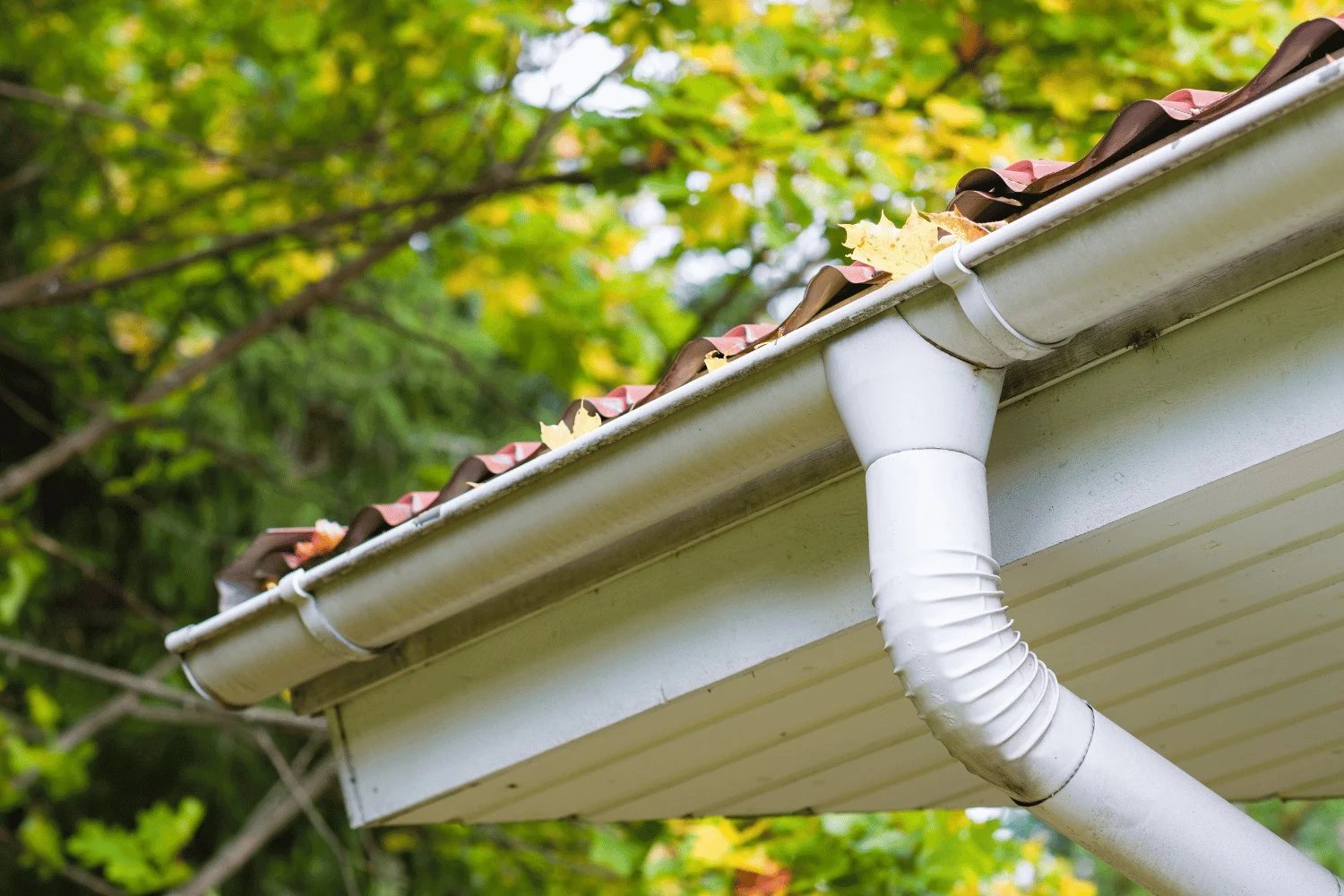
- Drain bowl clearing of dust, sand, and dry vegetation buildup
- Scupper opening checks for debris blocking overflow paths
- Strainer replacement where old or missing strainers let debris into the drain line
- Tapered insulation checks around drains for settling or damage
- Downspout and leader checks below scuppers for blockage
- Ponding survey after clearing to confirm water is actually moving off the roof
Roofs near open desert edges, agricultural land, or unpaved lots tend to see this problem worse than roofs surrounded by developed, paved sites, simply because there's more loose material in the air nearby to begin with. We've cleared drain bowls packed solid with fine sand after a single windy week, on buildings where the same drain had been clear at the last visit only a season earlier.
Overflow Scuppers Are a Backup, Not a Plan
Overflow scuppers exist for the scenario where primary drains fail or can't keep up, and they're doing their job when they're never actually needed. If we find water marks or staining below an overflow scupper during an inspection, that's a sign the primary drainage system already failed at some point, not a sign the building is fine because the backup caught it.
We treat scupper activity as a diagnostic clue, not a non-issue, and trace back to why the primary drain wasn't handling the load in the first place.
Ag and Processing Sites Have It Worse
Buildings tied to chile processing and other agricultural operations around the valley deal with an added layer of debris that most commercial roofs don't, fine particulate and plant matter that becomes airborne during harvest and processing seasons and settles directly onto nearby rooftops. Drains on these buildings often need more frequent attention than a standard commercial site.
We factor that operational context into how often we recommend drain service for these sites, rather than applying a generic maintenance interval that doesn't account for what's actually blowing onto the roof. A processing facility running through a harvest window might need a mid-season drain check that a nearby office building never would, simply because of what's in the air around it that time of year.
A Simple Check That Prevents a Big Repair
Clearing a drain takes a fraction of the time and cost of repairing membrane or deck damage caused by prolonged ponding. We schedule drain-focused visits ahead of monsoon season specifically because that timing catches the buildup from a dry spring before the first big storm turns it into a real problem.
It's not a glamorous part of roofing, but it's one of the highest-value visits we make all year, and it's usually the fastest one too. A twenty-minute drain check ahead of the first big storm has saved buildings in this valley from far more expensive problems than most FMs expect walking in.
Drainage Questions From Facilities Managers
How often should drains be cleared out here?
At minimum before monsoon season starts in late spring, with an added check mid-season for buildings near open desert, ag land, or unpaved lots where debris accumulates faster.
How do we know if our drains are already clogged?
Ponding that lingers more than a day or two after rain, staining below overflow scuppers, or a recent leak near a low point on the roof are all signs worth checking.
Do strainers actually make a difference?
Yes. A missing or damaged strainer lets larger debris straight into the drain line where it's much harder to clear than debris sitting in an open drain bowl.
Are ag-adjacent buildings really worse for this?
Often, yes. Processing and farming operations nearby can put more fine debris into the air than a typical developed commercial area, which means faster buildup on nearby roofs.
Can a clogged drain cause damage even without an obvious leak?
Yes. Prolonged ponding ages membrane and adds structural load even before it produces a visible leak inside, which is why we check for ponding patterns during every drain visit rather than waiting for active water intrusion to show up.